
ZINCOR SYSTEMS / Knowledge Center
Technical knowledge base on corrosion, coating systems and metal protection.
Organised articles for technologists, inspectors, applicators and anyone who wants to understand not only what happened on a metal surface, but why it happened.
Categories
Learn by topic, not by random article order.
Corrosion
Electrochemistry, rust, galvanic and localised corrosion, and environmental effects.
1 articleProtective coatings
Coating systems, film thickness, application conditions and common defects.
2 articlesGalvanizing
Hot-dip galvanizing, sacrificial protection, coating structure and zinc behaviour.
1 articleSurface preparation
Cleanliness grades, roughness, salts, dust and substrate condition before coating.
2 articlesCase studies
Real-world failures, ranked causes, verification and repair guidance.
0 articlesInspection and testing
Climatic conditions, DFT, dew point, visual inspection, measurements and standards.
Published content
Currently in the knowledge base

Same metric thread, different fit: hot-dip galvanized bolts and nuts
A practical example shows why zinc coating thickness must be considered when specifying bolt and nut thread tolerances.
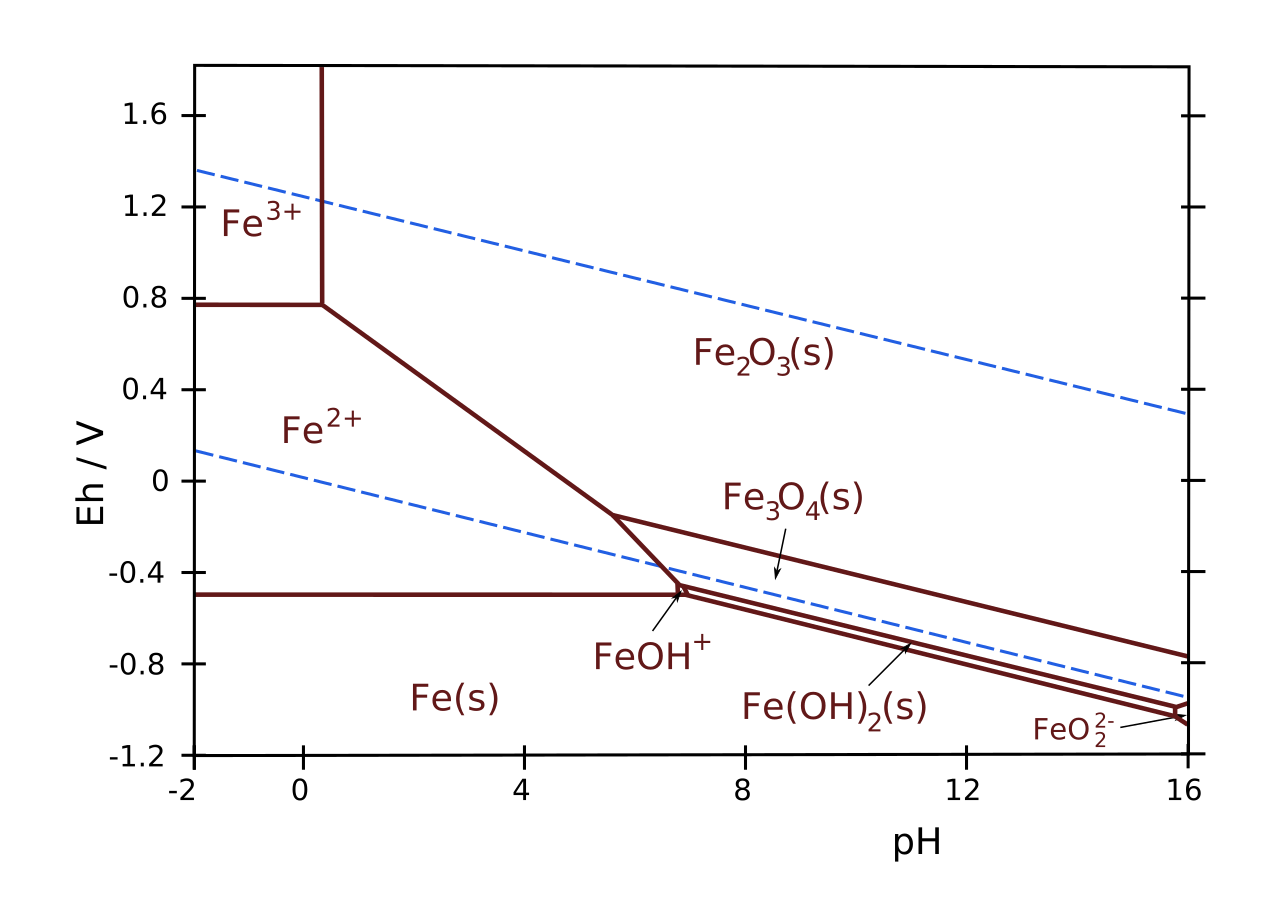
Pourbaix diagrams: a map of the thermodynamic stability of metals in water
Potential, pH, immunity, active dissolution, passivation and practical limitations.
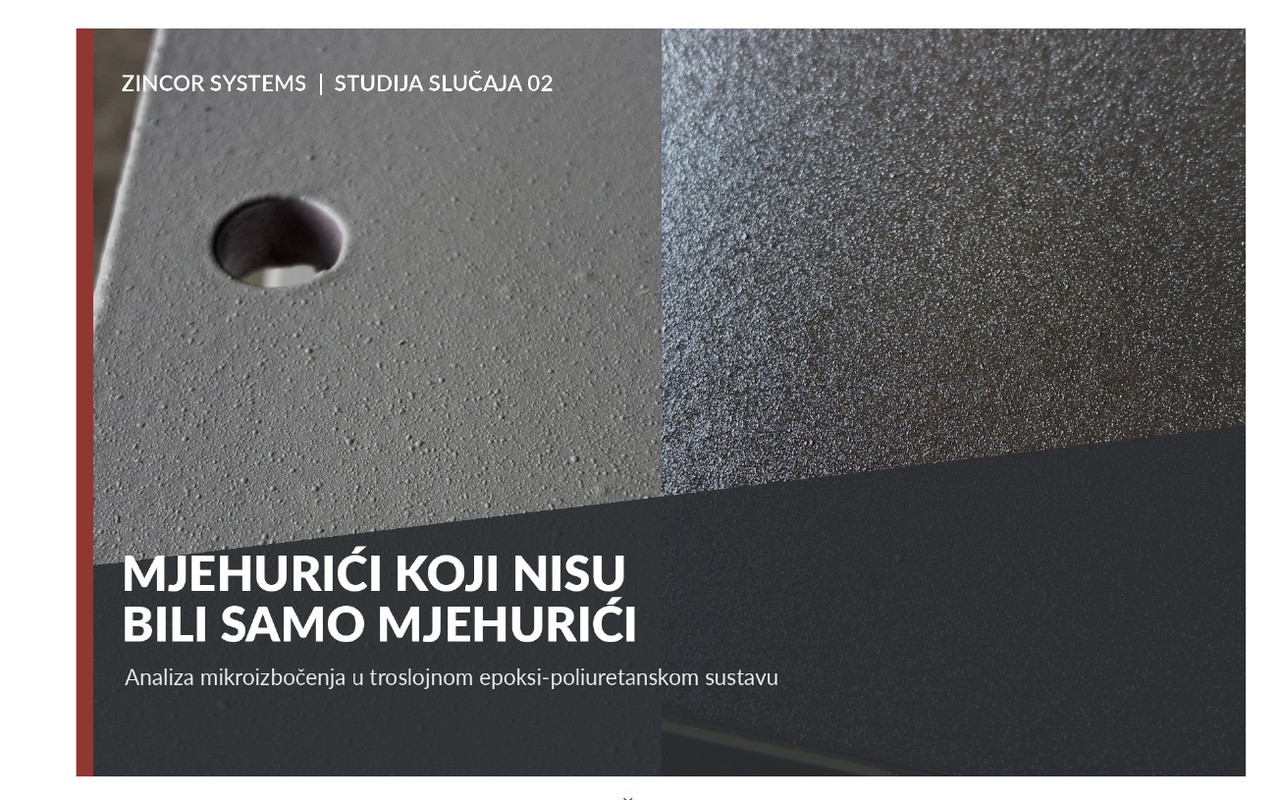
Blisters That Weren’t Just Blisters
Analysis of micro-protrusions, wet-film contamination and the spatial distribution of the defect.

What are protective coatings and how do they protect metal?
The role of coatings, multilayer systems, surface preparation, film thickness and application conditions.
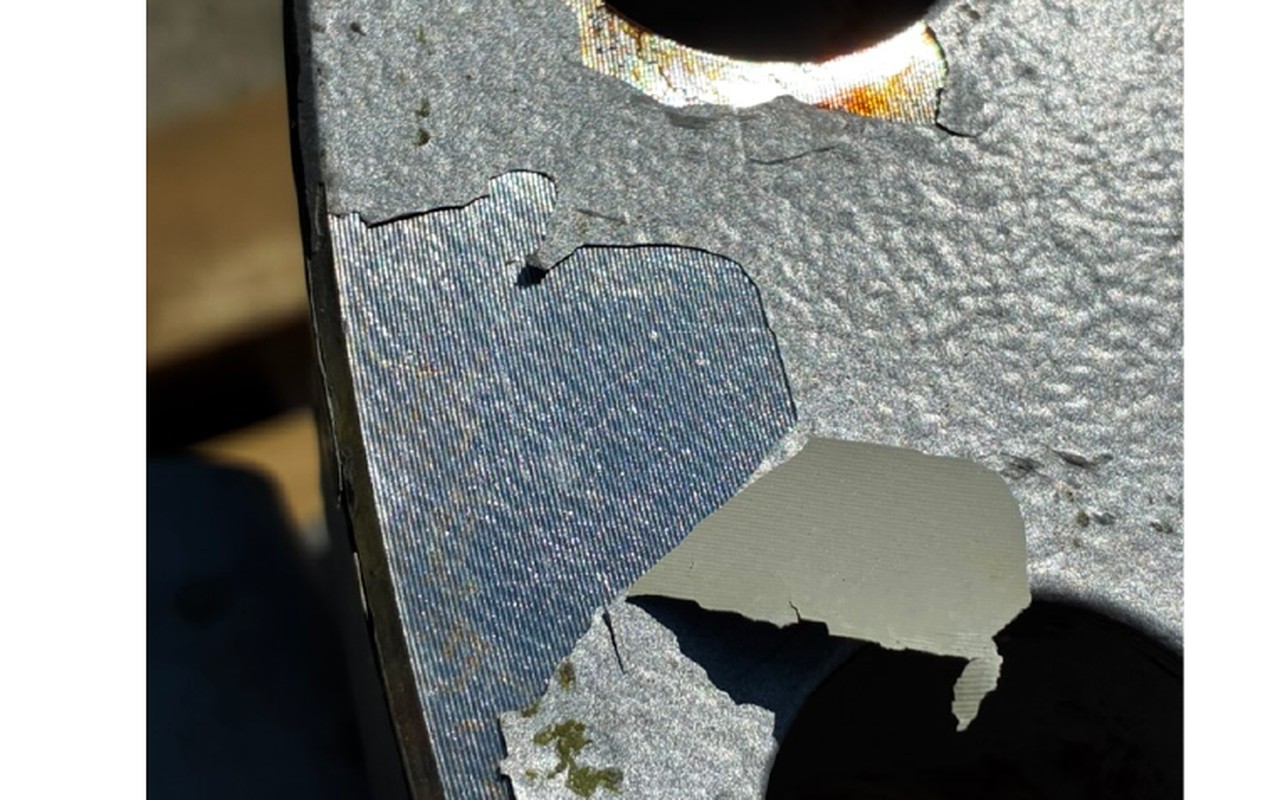
Coating delamination from a machined metal surface
Photographic analysis of adhesive failure, possible causes and a verification plan.
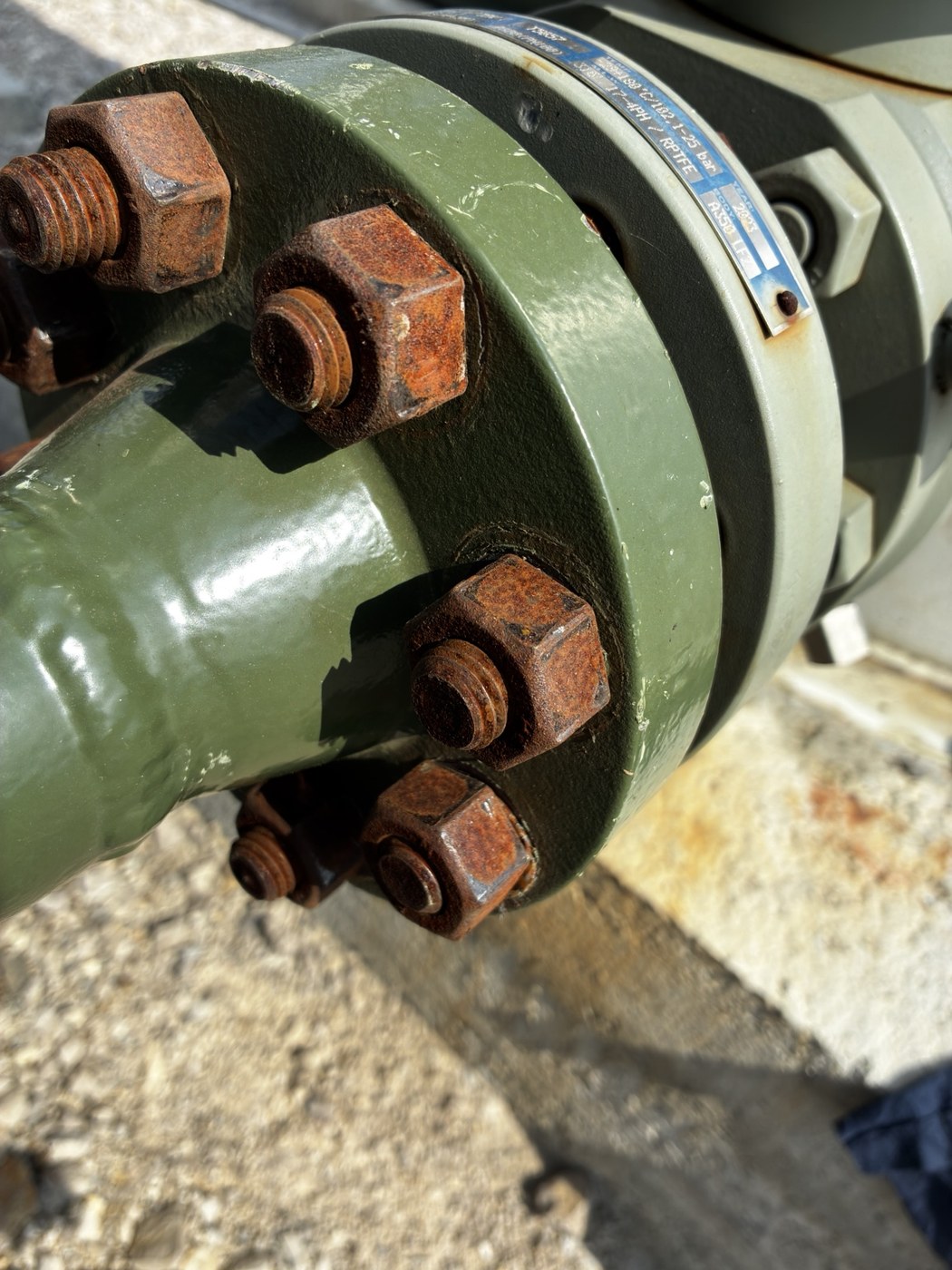
Electrochemical corrosion of steel: what really happens on the metal surface?
Anode, cathode, electrolyte, oxygen, chlorides and rust formation.
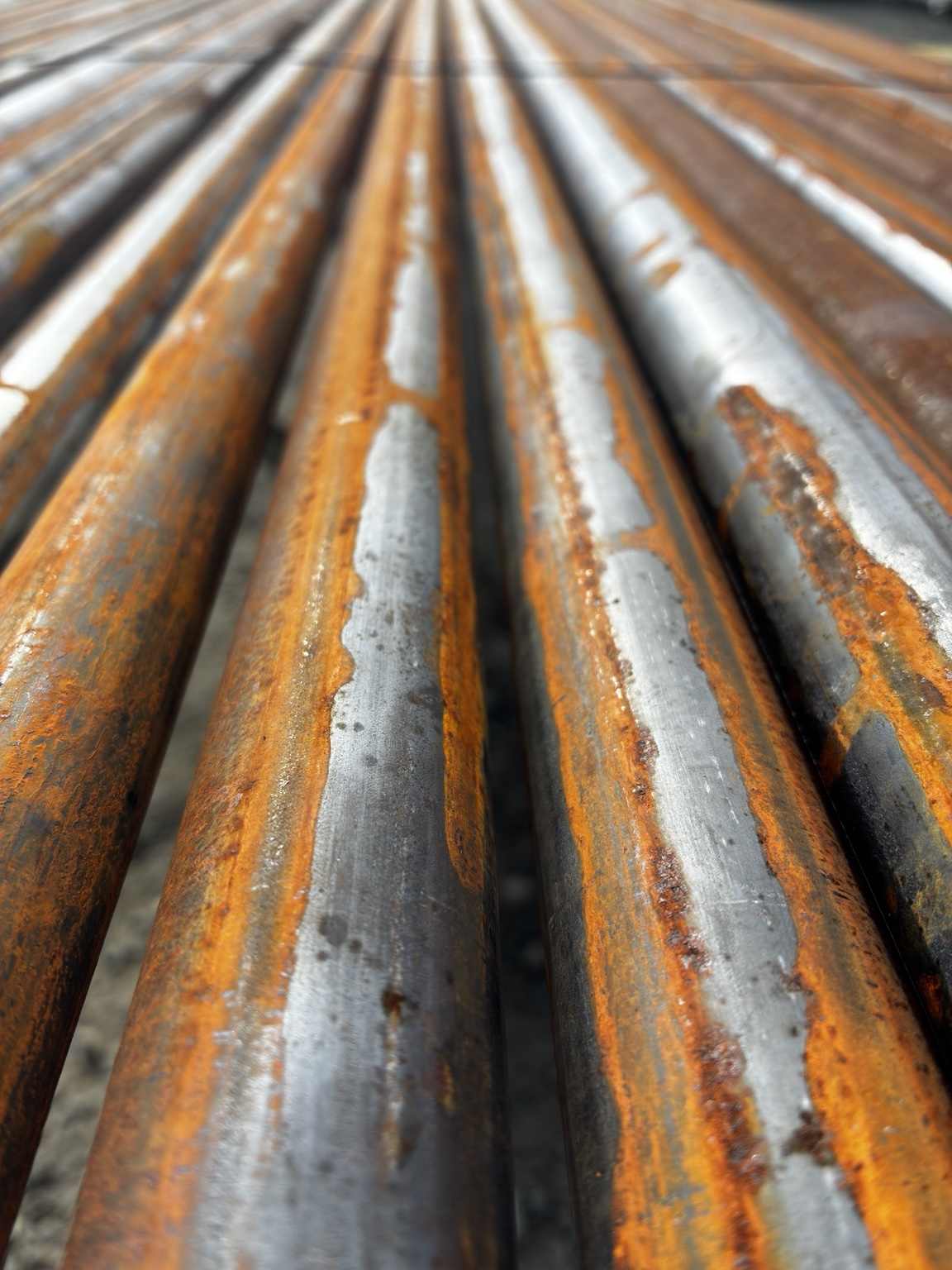
What is corrosion and why does it occur?
A clear introduction to corrosion, the necessary conditions, common forms and protection methods.
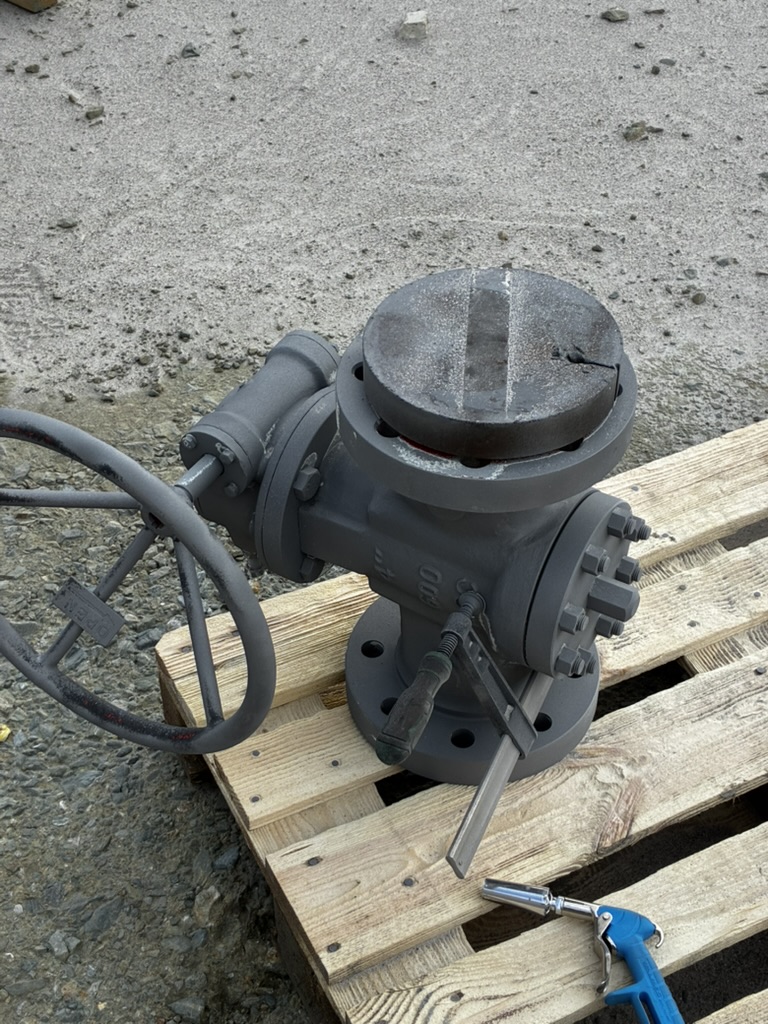
What do Sa 2, Sa 2½ and Sa 3 mean?
Surface preparation grades according to ISO 8501-1 and their practical meaning before coating.
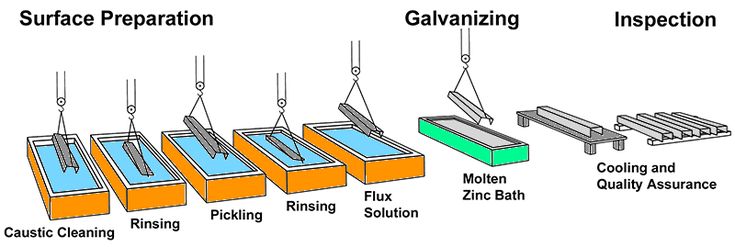
Galvanizing steel: why zinc protects better than most people think
Zinc coating formation, sacrificial protection and the behaviour of galvanized surfaces in practice.
No articles match this search.